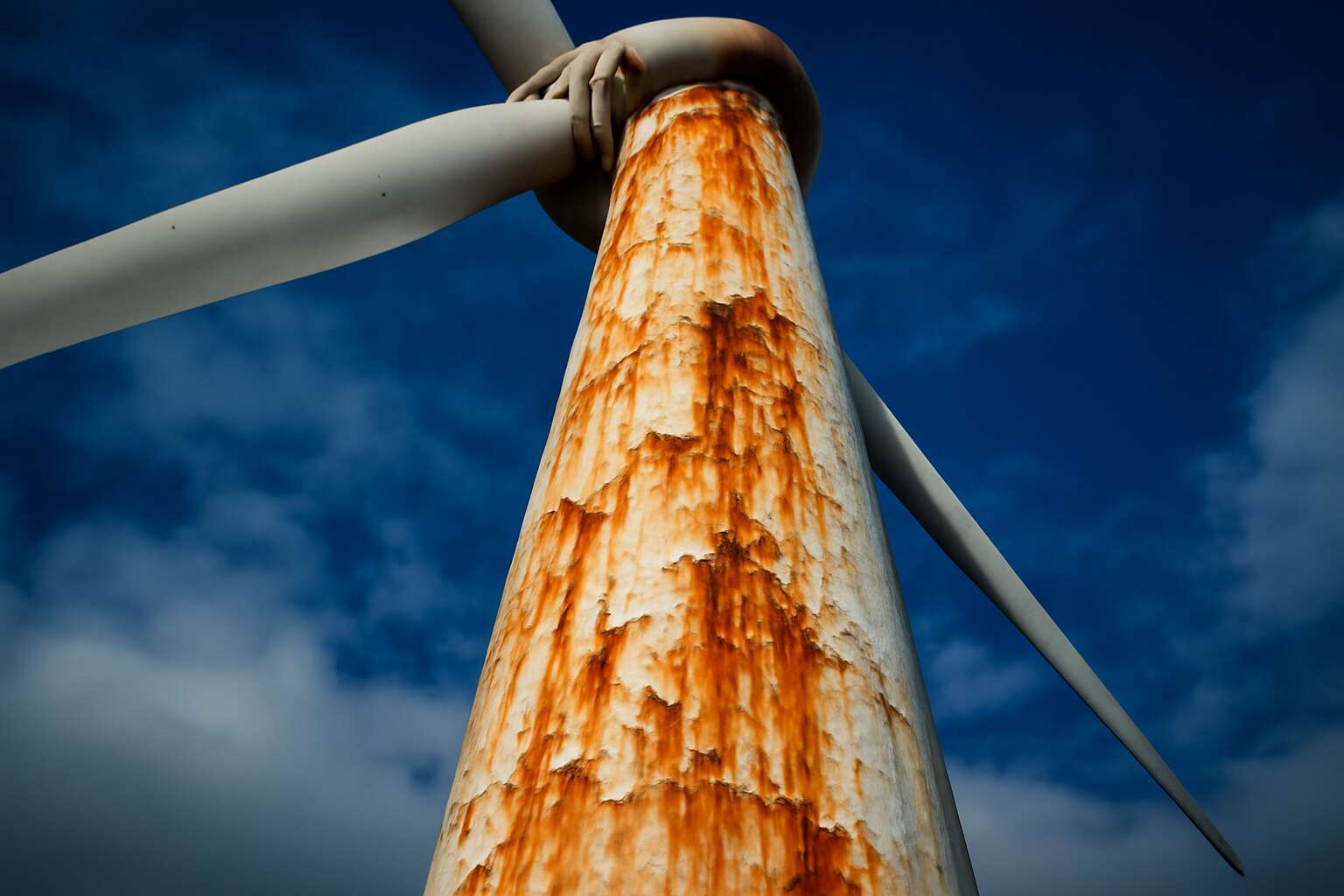
Overview of wind turbine rust
Causes of rust on wind turbines
Rust is the wind’s quiet omen across South Africa’s horizons, where turbines turn under sun and sea breeze. wind turbine rust emerges when salt-laden air meets steel, quietly eroding performance and confidence in the same breath.
Overview of wind turbine rust: It is a corrosion process that targets critical components—towers, fasteners, blades—begun by moisture and oxygen with salt magnifying the effect. Protective coatings falter under UV and microcracks, letting oxidation creep along metal interfaces and joints.
- Salt spray from coastal air
- Humidity and condensation
- Damaged coatings or primer layers
- Galvanic corrosion between dissimilar metals
In South Africa’s diverse climates, this rust-borne story guides designers and operators toward enduring resilience.
Common rust-prone locations in turbines
Wind turbine rust is the quiet reminder that even steel loves the sea breeze. The wind turbine rust pattern proves stubborn against the salt spray, especially along South Africa’s coastal belts where uptime matters most.
It is a corrosion that takes aim at metal seams and joints, where moisture and salt invite an unhurried march inward, feasting on exposed interfaces and support structures.
Common rust-prone locations in turbines include:
- Tower legs, flanges and ladder interfaces
- Foundation base plates and anchor bolts
- Nacelle frame, brackets and fasteners
- Hub connections and rotor shaft fittings
In South Africa’s varied climates, these spots become anchors for maintenance lore, reminding us that even the wind must respect a stubborn, patient steel.
Visual indicators and corrosion signs
Across South Africa’s windy coastlines, wind turbine rust quietly writes its signature on steel. Industry observations show rust-related maintenance can occupy a notable share of repair windows, underscoring how small flaws become big problems. This rust isn’t a roar; it’s a patient, creeping signature of the sea wind.
Visual indicators vary: brown-orange halos along weld seams, blistered coatings, and tiny pits that catch the eye as wind turbine rust ages in salt air.
- Reddish-orange staining on exposed metal
- Pitting near fasteners and joints
- Flaking paint with rusty underlayers
- Discolored dampness around bases
These cues remind maintenance teams to monitor, since the motif of rust is not just a color but a clock ticking on structural integrity.
Impact of rust on performance, safety, and maintenance
Across South Africa’s windy coasts, rust is not a roar but a quiet ledger etched into steel. wind turbine rust writes its signature with every salt spray, a patient reminder that vigilance is part of performance.
Impact on performance unfolds subtly. When rust thickens along welds and fasteners, the turbine’s surface loses smooth aerodynamics, energy yield dips, and vibration climbs. Maintenance windows stretch as flaws propagate.
- Reduced energy yield from degraded surface integrity
- Increased fatigue risk at joints and fasteners
- Longer repair cycles and parts demand
Safety and maintenance concerns rise with coastal corrosion. Rust tightens margins around bases and gearboxes, nudging regulators toward stricter inspection regimes. That rust becomes shorthand for a hidden cost of sea spray—and a reminder that the turbine is a living system.
Wind turbine rust: materials and coatings to resist corrosion
Steel properties and corrosion resistance in wind turbines
A coastal wind in South Africa doesn’t just power turbines; it tests them. The wind turbine rust story is more than a cosmetic flaw—it’s a signal that protection must endure downtime and repair. The right materials and coatings can turn that tide!
Smart material choices and coatings are the frontline in the battle against wind turbine rust. For steel structures, galvanised or weathering steel offers sacrificial protection against salt-laden air, while stainless fasteners curb crevice corrosion. Lightweight aluminum alloys help reduce weight and corrosion-prone junctions in certain parts.
Coatings do the heavy lifting too: zinc-rich primers, epoxy or polyurethane topcoats, and even ceramic barriers that stand up to SA’s temperature swings and coastal salt spray. The rust narrative is as much about chemistry as it is about design—guarding metal with precision, not luck.
Protective coatings for blades, towers, and gearboxes
Rust never sleeps, and SA’s salt-lashed coast makes that truth plainly tangible for wind turbines. wind turbine rust isn’t a cosmetic flaw; it’s a siren demanding protection that lasts, even through downtimes and repairs—and the right materials can turn the tide.
In this theatre, smart choices and coatings stand as frontline guardians. Blades wear UV-stable polyurethane or epoxy topcoats; towers receive zinc-rich primers with tough final layers; gearboxes count on high-temperature epoxy systems and ceramic barriers. Galvanised or weathering steel, stainless fasteners, and select aluminum junctions shield vulnerable seams from salt spray.
Coating strategies by component include:
- Blades: UV-stable polyurethane topcoats
- Towers: zinc-rich primers + durable topcoats
- Gearboxes: high-temperature epoxy systems
Galvanization and sacrificial protection options
South Africa’s coastal winds lash turbines with salt spray, turning metal into a battlefield where wind turbine rust can undermine decades of performance. Industry whispers suggest coastal sites face corrosion costs climbing over time, even during quiet downtimes. The struggle isn’t cosmetic; it’s a vigilant pursuit of durable protection that lasts.
Galvanization and sacrificial protection options are frontline defenses. Zinc-rich primers and galvanised components form a sacrificial shield against salt. Pair them with robust seals and corrosion-resistant fasteners for resilient seams.
- Galvanized coatings on steel components for sacrificial protection
- Sacrificial anodes (zinc or magnesium) in splash zones
- Stainless fasteners and corrosion-resistant junctions for seams
Composite materials and corrosion-resistant alternatives
Coastal winds sweeping across South Africa’s coastline deliver power and salt spray in equal measure. A single season can swing maintenance costs when wind turbine rust quietly chases performance, threatening decades of reliability.
Materials and coatings are the battlefield’s new frontline. Composite materials and corrosion-resistant alternatives offer durability beyond traditional steel. FRP blades, and matrix composites with protective resins, reduce galvanic currents and hold paint longer in humid cycles.
In practice, here are resilient approaches:
- Fiber-reinforced polymers (FRP) and laminated composites tailored for nacelles
- Corrosion-resistant alloys and aluminum with passivation
- Advanced sealants and ceramic or fluoropolymer coatings for joints and fasteners
In South Africa’s saline atmospheres, selecting materials with natural corrosion resistance and proven coatings is not a luxury—it’s a mandate that keeps turbines singing through decades of coastal weather.
Wind turbine rust prevention and corrosion control strategies
Regular inspection and monitoring programs
Across South Africa’s wind corridors, the gleam of turbine rotors can mask a subtler foe: wind turbine rust. It thrives where moisture lingers and coastal winds mingle with salt spray or inland drizzle. Yet prevention forgives rust through vigilant stewardship and design-aware maintenance.
Regular inspection and monitoring programs form the heartbeat of lasting reliability. They translate corrosion risk into actionable insight and keep blades, towers, and gearboxes singing rather than sighing under stress.
- Data-driven condition monitoring reveals patterns of corrosion over time
- Environmental exposure and material compatibility reviews
- Protection strategy evaluations and oversight as needed
As SA’s wind energy pushes further, the alloyed promise endures when vigilance aligns with engineering, turning potential decay into durable performance.
Cathodic protection and corrosion inhibitors
Rust is the quiet thief of uptime in SA’s wind corridors—wind turbine rust isn’t just cosmetic; it’s a reliability tax. When coastal moisture and salt spray collide with moving parts, corrosion can bite deep. Cathodic protection and corrosion inhibitors stand as the frontline guardians against this creeping decay.
- Impressed-current cathodic protection tailored for coastal wind farms
- Sacrificial anodes chosen for salt-laden environments
- Corrosion inhibitors added to lubricants and protective sealants
Beyond that shield, a restrained toolbox keeps wind turbine rust at bay without turning maintenance into a saga. The right inhibitors, compatible with rotor seals and gear oils, work in tandem with coatings designed to repel moisture and salt, preserving performance through the gusts.
Site selection and environmental controls
Coastal SA winds carry salt and humidity that quietly accelerate decay. This is why wind turbine rust becomes a central consideration in site selection. Favor inland or sheltered corridors where salt spray exposure is moderated and microclimates reduce peak moisture, protecting steel and alloys without raising maintenance demands.
In the environmental matrix, a few factors shape corrosion risk more than others:
- salt spray reach and airborne particulates
- average humidity and dew cycles
- temperature swings that drive condensation
These realities shape design priorities and monitoring strategies, weaving climate realities into longevity and uptime beyond raw power output.
Maintenance scheduling, budgeting, and lifecycle planning
Wind rides in with salt-kissed ambition, and steel answers with patience—and sometimes with rust. “We win or we learn,” says a plant manager, because wind turbine rust is not forged overnight but in a thousand little misty moments. Whether inland corridors or sheltered coastlines, coastal SA winds bring salt spray in steady whispers, and rust becomes a budgeting wake-up call that colors procurement and uptime alike.
Maintenance scheduling, budgeting, and lifecycle planning must acknowledge corrosion as a cost of endurance. By forecasting how salt spray, humidity, and condensation accelerate decay, teams align resources with risk, balancing preventive spend against the shadow of downtime.
- Inspection cadence and data integration to spot early corrosion signals
- Corrosion-aware budgeting that ties component replacement to aging curves
- Lifecycle planning that staggers refurbishments with climate exposure
Done well, this discipline keeps wind turbine rust at bay and keeps the turbine’s song uninterrupted!
Repair, maintenance, and lifecycle considerations for wind turbine rust
Damage assessment: when to repair vs replace
Wind turbine rust isn’t just a blemish; it’s a signal that lifecycle planning needs recalibration. A SA plant manager quips, ‘Rust is the maintenance boss that never quits.’ For SA plants, wind turbine rust becomes a budget issue that doesn’t respect the clock.
Damage assessment should gauge how far corrosion has reached bearing housings, towers, and fasteners, and whether it’s likely to reoccur. Repair suits localized rust; widespread corrosion or safety concerns call for replacement to protect reliability!
- Extent of structural compromise and load-path impact
- Repair vs replacement cost and anticipated downtime
- Availability of parts, downtime risk, and long-term performance
From a lifecycle view, decisions hinge on remaining service life, budget, and risk tolerance. The aim is to preserve performance without letting rust derail local energy targets.
Repair techniques for blades, nacelles, and towers
wind turbine rust isn’t just cosmetic; it’s a signal demanding a recalibrated lifecycle plan. In South Africa’s wind farms, a seasoned plant manager quips, ‘Rust is the maintenance boss that never quits.’ The message: repair and renewal decisions must fit long horizons and local realities.
Repair methods for blades, nacelles, and towers stay within the realm of preserving function: patches on non-structural areas, resealing joints, recoating surfaces, and selective fastener replacement. When wind turbine rust tightens its grip, maintenance philosophy shifts toward preventive reconditioning rather than waiting for failure.
From a lifecycle viewpoint, the cost of rust-repair vs. replacement hinges on remaining service life, risk tolerance, and supply-chain resilience. The aim is steady reliability with minimal downtime, balancing upfront investments against extended performance.
- Post-repair inspection cadence to confirm longevity
- Predictive indicators guiding future maintenance windows
- Workforce readiness and local supplier support in SA
Downtime, repair costs, and economic impact
Even a 1% uptick in turbine downtime can cascade into millions for South Africa’s wind farms. wind turbine rust is more than cosmetic; it signals a need to recast lifecycle horizons, balancing repair and renewal in a demanding, local supply chain. Downtime and material costs ripple through maintenance calendars, while long-term reliability hinges on disciplined reconditioning rather than waiting for a breakdown.
- Downtime costs and production losses in SA wind farms
- Economic trade-offs between repair and replacement over project lifespans
- Local supplier capacity and workforce readiness driving lifecycle decisions
By viewing rust through a lifecycle lens, managers prioritize preventive reconditioning and timely re-sealing over costly emergency replacements. Local SA workforce readiness and resilient supply chains transform downtime risk into a managed curve, where repair costs are amortized against extended performance and steady revenue streams.
Lifecycle management and end-of-life rust considerations
In South Africa’s wind corridors, wind turbine rust is less a cosmetic blemish and more a bellwether for asset health. The repair-and-renewal calculus hinges on balancing maintenance cadence with a lean, local supply chain and long-run reliability. Treat rust as a signal to negotiate the timing of reconditioning, coating refreshes, and end-of-life planning rather than a sprint to emergency fixes.
We frame three strategic considerations that shape the lifecycle view:
- Align maintenance windows with component refresh cycles to extend asset performance rather than chase symptoms
- Weigh reconditioning investments against expected service life and revenue stability
- Structure end-of-life decisions to leverage local craftsmanship and supply networks
In this mindset, rust becomes a governance tool, guiding prudent reinvestment and steady returns across South Africa’s wind farms.




0 Comments