Overview of the Largest Wind Turbines
What ‘largest’ means in wind turbine sizing
Global wind capacity has surged about 60% over the last decade, and the turbines that push this growth stand taller than blocks. When people ask which is the biggest wind turbine, the answer isn’t a single champion but a family of metrics that shift with offshore ambition and land realities.
On offshore sites, giants push hub heights well over 100 meters and rotor diameters beyond 180 meters, delivering power at scale. In South Africa, onshore wind farms set the pace. Onshore giants play a different game, balancing terrain, grid requirements, and logistics while chasing the same goal: more energy per turn of the turbine.
Three pillars explain the scale:
- Rotor diameter and swept area
- Hub height and installation depth
- Rated power and capacity factor
These elements shape what the biggest wind turbine means in practice, and they explain why offshore projects keep growing—wind meets architecture, with a splash of bravado.
Historical milestones in turbine scale
Across fields and coastlines, the chase for scale reads like a living map. Global wind capacity has surged roughly 60% over the last decade, and the question of which is the biggest wind turbine becomes a family of metrics rather than a single champion. The blade sweep carries a quiet awe, a reminder that ambition meets terrain and tide.
- 1990s–early 2000s: rotor diameters around 100 m, onshore towers growing taller.
- Mid-2010s: offshore machines push 8–9 MW with rotors about 150–180 m and hub heights over 100 m.
- Late 2010s–present: 12–14 MW class machines with rotors exceeding 200 m and coastline deployment.
On South Africa’s farms and wind corridors, the scale story is felt in mornings when the blades cast long shadows over the veld and the homestead. The evolution of turbine size blends gravity with grace, turning wind into steady power while stitching resilience into rural life.
How turbine size affects performance and site choice
The biggest wind turbines don’t just look bigger; they perform bigger. Rotors exceeding 200 meters sweep more wind and convert gusts into steady power. So, which is the biggest wind turbine? Offshore giants now push 14 MW with rotors well over 200 meters, redefining scale.
Size changes performance: larger rotors capture more energy, especially in strong offshore winds, while taller hubs find steadier gusts higher up. But bigger machines complicate maintenance, logistics, and siting, turning every deployment into a careful cost–benefit calculation.
- Proximity to a robust wind resource
- Strong grid connection and transmission capacity
- Access for construction, maintenance, and safety
In South Africa, the scale story threads through wind corridors and farms, mixing rural resilience with engineering ambition. The question which is the biggest wind turbine keeps evolving as data, policy, and financing shape the horizon.
Key metrics for comparing large turbines
Across the offshore skyline, sheer scale is the selling point. The global fleet now features turbines around 14 MW with rotors surpassing 200 meters. When you ask which is the biggest wind turbine, the answer updates faster than maintenance schedules—it’s a moving target driven by technology, policy, and supply chains.
Key metrics to pin down the comparison include rotor diameter, rated power, hub height, capacity factor, and the logistics footprint required to install and service these giants. In South Africa, where grid connections and coastal access matter, these numbers translate into real‑world choices rather than theater.
- Rotor diameter (meters)
- Rated power (MW)
- Hub height (m)
- Capacity factor (percentage)
- Installation footprint and maintenance access
These figures shape not only offshore ambition but how projects fit with national grids and budgets.
Global Leaders in Huge Wind Turbines
Onshore giants: rotor diameter and tower height records
Size serves as a compass in wind energy. Onshore giants now headline rotor diameters surpassing 150 meters and towers lifting well over 120 meters, turning brisk gusts into steady power more efficiently than ever. Such scale reshapes landscapes and informs site decisions across South Africa’s wind corridors—from the windy coast to the highveld plains—where logistics and grid access meet ambition.
- Rotor diameter commonly 150–180 meters for leading onshore designs
- Tower height typically 100–140 meters to capture higher wind speeds
- Site strategy considers terrain, access, and grid connection for optimal performance
Global leaders push beyond existing boundaries, balancing engineering ingenuity with practical constraints. The quest which is the biggest wind turbine remains a moving target, spurring research, investment, and thoughtful planning across South Africa’s evolving wind landscape.
Offshore giants: size and foundation considerations
Sea giants now outsize their landbound cousins. Offshore wind turbines in the 14–15 MW class push rotor diameters past 230 meters, and hub heights rise above 100 meters. When you ask which is the biggest wind turbine, the answer shifts with every new installation and smarter materials.
Foundations shape what size can be deployed. For shallow seas, monopiles anchor these behemoths; for medium depths, jackets provide stability; in deep water, gravity bases or floating platforms unlock new sites.
- Monopile foundations
- Jacket structures
- Floating platforms
The right foundation pairs with site logistics and seabed data to capture maximum wind.
South Africa’s offshore wind play hinges on grid access, port logistics, and coastal depths. As turbine scales rise, engineers plan to balance extreme size with reliability and maintenance in the Southern Ocean and accessible bays.
Manufacturers pushing size boundaries: recent record-breakers
Across the world, turbine towers rise like cathedral spires, re-drawing the horizon. The pursuit of scale shapes strategy, and the question which is the biggest wind turbine now guides bold decisions.
Global leaders push the envelope in the 14–15 MW class. Recent record-breakers include:
- GE Haliade-X — 14–15 MW class, rotor near 220 meters
- Siemens Gamesa SG 14-222 DD — 222-meter rotor
- Vestas V236-15.0 MW — 236-meter rotor diameter
In South Africa, this scale translates to smarter siting, robust foundations, and reliable maintenance as offshore ambitions meet coastal realities.
Technology Behind Large Turbines
Blade design and advanced materials for scale
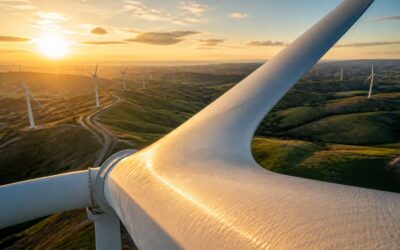
Towering blades cut the skyline and rewrite the rulebook on scale. In wind energy circles, the headline question remains: which is the biggest wind turbine?
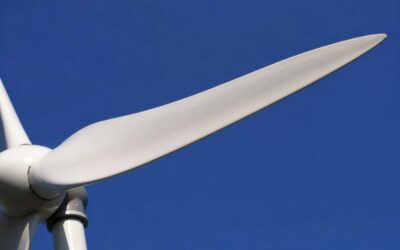
Blade design is the heart of size. Longer, tapered blades harvest more energy but demand smarter twist, thicker root sections, and dynamic load management. Advanced materials—epoxy-infused composites, carbon reinforcements, and tough lightning protection—keep these giants standing in gusts.
- Advanced composites and resin systems for stiffness
- Tailored blade twist and aerodynamic profiles
- Smart coatings and surface treatments for erosion
- Integrated fatigue monitoring and repair-friendly joints
Across the SA coastline and wind-rich inland corridors, scaling up hinges on materials that outlive the weather and blades that sing instead of snap.
Tower innovations and foundation engineering
Towers of the new wave rise higher than city blocks, with offshore giants cresting beyond 180 meters and pushing rotor radii wider than ever. That height isn’t vanity—it’s leverage, turning gusts into predictable power while demanding smarter damping, corrosion protection, and maintenance-proof joints that outlive the weather!
Engineers are pairing taller towers with smarter foundations. We see modular steel segments, high-strength concrete, and fatigue-resistant alloys that shrug off salt spray and heat. The result is a tower that stands firm in the storm and a base that transfers every gust into usable energy.
- Monopile and jacket foundations for offshore nodes
- Gravity-based and caisson solutions for onshore hubs
- Floating foundations for ultra-deep-water prospects
In South Africa, coastal corridors and inland wind lanes shape these choices, aligning with the question which is the biggest wind turbine.
Gearbox vs direct-drive architectures for big turbines
A storm is coming and the field holds its breath. The largest wind turbines aren’t just taller structures—they’re statements of drivetrain engineering. Offshore giants crest beyond 180 meters, rotor radii widen toward the horizon, and every joint and damping system is tuned to turn gusts into power. The age of scale demands smarter foundations and tougher protection, but the core choice remains drivetrain-driven: how we turn wind into electricity at scale.
Gearbox turbines multiply rotor speed in a compact shaft train, delivering punchy power with a lighter generator—but they demand periodic maintenance and can suffer from salt spray. Direct-drive units dispense with gears, using permanent magnets and a sturdier generator to cut maintenance, at the cost of heavier, pricier components. This choice shapes what’s feasible at ultra-big scale and, in the end, answers which is the biggest wind turbine—a question felt along South Africa’s windy coasts.
Control systems and aerodynamic optimization at scale
Offshore wind towers now reach hub heights well over 180 meters, changing how farms are laid out and how load is managed. That’s why industry watchers ask: which is the biggest wind turbine? The answer rests on how control systems choreograph aero behavior in real time.
Technology behind large turbines hinges on smart control loops that modulate blade pitch, yaw, and generator torque in concert. In scale, tiny timing differences become fatigue or profit, so every millisecond counts toward reliability and efficiency across a wind farm!
Aerodynamic optimization at scale relies on tailored blade twists, optimized chord distribution, and boundary-layer management to curb wake interaction and noise, while enduring South Africa’s coastal gusts and salt spray. The result is a more stable interface between engineering ambition and the grid.
Maintenance strategies for oversized turbines
Giant rotors demand giant attention. Offshore uptime hovers around 97%, and every sensor whisper could save a million rand in maintenance. In technology behind large turbines, maintenance strategy is the quiet backbone, with sensors whispering data in real time. That perennial question—which is the biggest wind turbine—keeps engineers honest about uptime and blade health, especially offshore where salt spray is a saboteur.
We lean on predictive maintenance using IoT, ML, and remote diagnostics to catch wear before it yawns into downtime. Lubrication regimes and gearbox health checks, and corrosion protection form the backbone of survivability in South Africa’s coastal gusts.
- Remote condition monitoring and analytics to flag anomalies
- Drone inspections and non-destructive testing
- Lubrication and gearbox oil analysis
- Corrosion protection and salt spray mitigation offshore
In the field, teams calibrate maintenance windows to align with wind patterns, keeping downtime minimal and output maximal while staying compliant with SA grid standards.
Deployment Considerations and Future Outlook
Site selection, wind resource assessment, and environmental impacts
South Africa’s wind corridors are entering a new era, where bigness reshapes planning. As one engineer puts it, “bigness reshapes the grid.” The question behind every project is not merely which is the biggest wind turbine, but how its scale aligns with site realities and community expectations.
Deployment considerations begin with site selection: proximity to grid, access for heavy transport, and environmental constraints. Wind resource assessment combines met masts, LiDAR, and long-term data to forecast performance with confidence. In RSA, coastal wind can be superb but must be weighed against ecosystem sensitivity and cultural considerations.
- Grid proximity and logistics
- Environmental safeguards and community engagement
- Long-term wind resource stability
Future outlook points toward offshore and floating solutions—advanced foundation concepts and smarter control systems. Environmental impacts will demand tighter monitoring, while the industry seeks harmony between scale, seas, and people!
Cost, financing, and ROI for large turbines
Deployment considerations begin with site realities—grid proximity, access for heavy transport, and the delicate ballet of environmental constraints. In South Africa, RSA wind corridors flirt with the coast and its ecosystems, demanding a blend of prudence and ambition. Large turbines arrive with a new dialect of logistics: longer cables, taller towers, and the patience to negotiate local sentiment. The stage matters as much as the instrument.
Future outlook toward offshore and floating solutions, where foundations are as ambitious as control systems. Costs and financing are not mere spreadsheets but negotiations and long-horizon ROI calculations that weather policy winds. The question of which is the biggest wind turbine shapes capex choices, balanced by reliability and grid appetite for scale.
- Cost components and financing structures that determine how quickly a project reaches profitability.
- ROI drivers including capacity factor, maintenance regimes, and PPA terms that reward consistency.
Future trends and projected growth in turbine size
The winds along South Africa’s coastline whisper a riddle: which is the biggest wind turbine? In RSA’s wind corridors, scale is a moral as well as a metric—power that respects the land and communities. Deployment realities demand grid reach, transport corridors, and careful ecological balance.
Deployment realities tighten the seam between ambition and achievement.
- Grid proximity and transmission
- Logistics for longer cables and taller towers
- Local sentiment and regulatory tempo
Future currents point offshore and toward floating solutions, where foundations rival the imagination of kings and control systems hum like star-forged engines. Size marches on, guided by reliability and grid appetite for scale in RSA’s horizon.


0 Comments