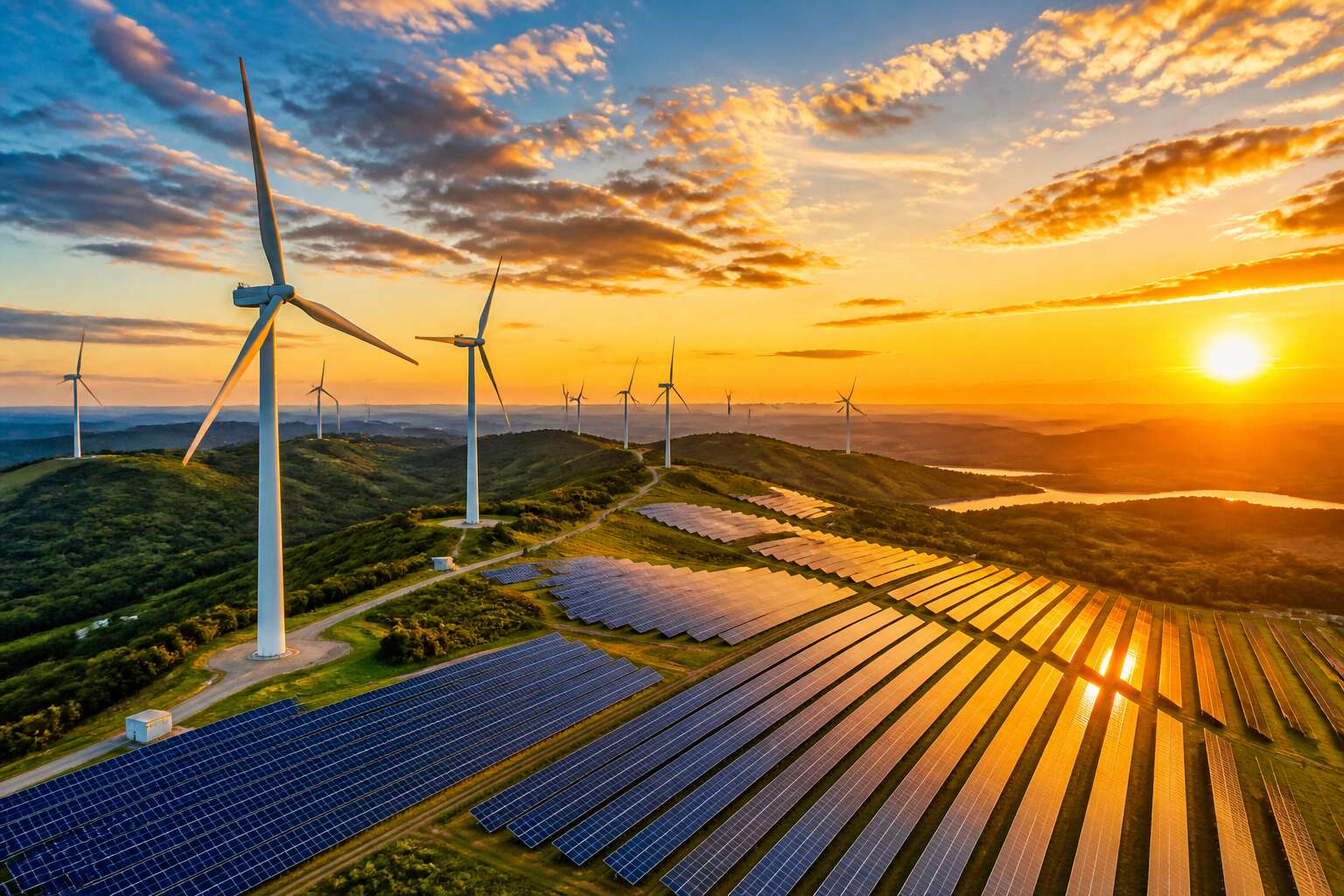
Upfront Investment and Long-Term Savings
Average Purchase and Installation Costs Compared
In South Africa, the upfront investment for a wind turbine or solar panels typically ranges from R80,000 to R250,000 depending on capacity and installation complexity. Solar photovoltaic systems often land at the lower end for residential setups, while small wind turbines carry higher installation costs due to tower erection and siting requirements.
Long-term savings emerge through reduced grid dependence. A well sized solar array can pay back its purchase price within six to eight years, whereas combined renewable setups might stretch that period slightly. The average purchase and installation costs compared across quotes reveal that per kilowatt, wind is frequently cheaper, but maintenance offsets those gains.
Consider these cost factors:
- Equipment and inverter expenses
- Mounting structure or mast foundation
- Electrical wiring and permits
Return on Investment Timelines
The return on investment timeline for renewable energy in South Africa is a study in arithmetic, not romance. Solar arrays tend to deliver returns faster, while a wind turbine or solar panels hybrid requires more patience. I have seen quotes that promise rapid payback, but they usually assume perfect conditions!
The payback period is shaped by several variables:
- Your daily consumption and load profile
- Net metering agreements with the municipality
- Battery storage costs if you require backup
Tariff escalations shorten the timeline. Load shedding extends it. And the residual value of your equipment at end of life, a figure most quotes ignore, deserves your attention.
Tax Incentives, Rebates, and Financing Options
The tax landscape for renewable energy in South Africa shifted. Section 12B now allows a 125% deduction on qualifying assets, including a wind turbine or solar panels. That deduction lands early, altering the cash flow picture for businesses and farms!
For households, rebates remain patchy. Some municipalities offer rates reductions for solar installations. Others offer nothing. Financing fills the gap. Whether you choose a wind turbine or solar panels, the money question is similar. Consider the options:
- Green loans from major banks, often spanning seven years or more
- Home loan extensions that leverage your existing bond rate
- Equipment leasing through installers, spreading cost across the system’s early years
I once reviewed an application for a Free State smallholding. The owner extended his bond instead of taking a dedicated green loan. He saved thousands in interest.
Hidden Costs and Resale Value Considerations
The upfront investment for a wind turbine or solar panels often feels like an interment of capital. But the ledger reveals a different story over two decades. In my practice, Free State clients discover savings accrue quietly and relentlessly, long after the installation crew departs.
Hidden costs, however, accompany every renewable system. Insurance premiums drift upward. Inverters fail without warning. Coastal salt and Highveld dust degrade performance invisibly. These expenses seldom appear in glossy quotations!
- Annual inverter maintenance
- Structural inspections after storms
- Battery replacement every five years
Resale value remains the overlooked dimension. A property with a functioning wind turbine or solar panels commands a premium in load-shedding weary suburbs. Buyers purchase certainty, not hardware. The system transfers its quiet power to the next owner.
Efficiency, Output, and Climate Considerations
Peak Power Production in Different Weather Conditions
South Africa’s solar resource ranks among the highest globally, yet peak power production depends heavily on daily weather shifts. For a wind turbine or solar panels, efficiency is not static; it reacts to cloud cover, thermal updrafts, and frontal systems.
Photovoltaic panels lose 20 to 30 percent output under thin cloud, while hazy Highveld mornings can soften current. Wind turbines face the opposite challenge: gusty Cape southeasters create turbulent inflow that reduces aerodynamic yield. Climate considerations thus force a choice based on your micro-region.
- Solar panels respond fastest to irradiance changes
- Wind turbines need sustained laminar flow for rated output
In coastal KwaZulu-Natal, afternoon thunderstorms slash solar generation, but inland plateau winds pick up after sunset. Observing seasonal patterns informs realistic expectations for peak production. Whether you eventually install a wind turbine or solar panels, these weather data points reveal true output potential!
Space Requirements for Comparable Energy Generation
A single, modern wind turbine can rival a four hectare solar farm in annual output, yet occupy only a tenth of the ground. That contrast shapes every land decision in South Africa. Rooftops constrain photovoltaic panels to smaller yields, while farms and reserves can host rotor blades without losing grazing space beneath.
The spatial trade-offs deserve scrutiny:
- Rooftop solar arrays require zero additional land purchase
- Wind turbine towers allow livestock and crops to continue beneath
- Ground-mounted solar panels permanently remove land from agricultural use
I have watched landowners assume solar is easier, only to discover their available footprint cannot match the generation they need. The choice between a wind turbine or solar panels should begin with measuring what your site actually offers in square meters, not comparing brochure specifications. Vertically generated power frees your horizontal space.
Seasonal and Daily Energy Generation Curves
Eskom’s load-shedding schedules have made every South African a student of the daily energy curve, whether they like it or not. Solar panels deliver power with a metronomic rhythm, spiking in the bright afternoon and then suffering a dramatic collapse at sunset, right when the kettle is needed. The wind turbine, however, is the moody artist of the energy world, producing at 2 AM when the Highveld blows, making it a more reliable companion for overnight loads.
The seasonal curves shift this balance significantly. The winter sun is weaker and the daylight window shorter, crushing photovoltaic output just when cold fronts arrive. Conversely, the Cape’s infamous winter storms supercharge wind generation, providing a handy counterweight.
– Solar generation creates a bell curve that peaks midday and flatlines by 19:00.
– Wind output is a stochastic burst, often maximal during evening peaks after the sun has surrendered.
– Winter wind yields often outpace summer yields by a wide margin.
Any honest assessment of a wind turbine or solar panels must account for the anchor of the evening peak, not just the noon-time glory.
Impact of Geographic Location on Performance
Choosing between energy systems requires reading the landscape. A wind turbine or solar panels performs differently depending on the province. In the Karoo, solar panels thrive on clear skies and low humidity, while the Western Cape’s winter storms make wind output more reliable.
Altitude and latitude alter the physics. The Highveld’s thinner air lifts photovoltaic generation slightly but also increases wind turbine torque. Coastal regions suffer salt spray, which degrades efficiency over time.
- Interior plateaus offer stable solar irradiance
- Coastal cliffs create turbulent wind patterns
- Valleys trap cold air and morning mist
I have seen output swings of 20% between sites just 50 kilometres apart, purely from microclimate. Consider fog banks, temperature inversions, and prevailing winds.
Hybrid Configurations for Maximum Reliability
Pairing wind turbine or solar panels on a single site creates a hybrid system that smooths daily output. Wind often peaks at night and in winter; solar peaks at midday and in summer. That complementarity cuts downtime without adding storage costs, and I have seen it lift annual yield by 15% on mixed terrain.
Efficiency depends on matching each resource to the microclimate. Boost wind turbine or solar panels differently: prioritize wind along the Cape coast, push solar on the Highveld. A hybrid setup exploits both, but must respect panel tilt and tower placement to avoid mutual shading and turbulence.
- Check wind shear and soiling rates before sizing each array.
- Balance inverter capacity across both sources.
- Use a controller that shifts load automatically.
Climate considerations dominate system longevity. Salt spray attacks metal mounts while dust films cut photovoltaic yields. Hybrid configurations require regular inspections on both wind turbine or solar panels, plus maintenance plans built for the harshest conditions.
Installation Complexity and Upkeep
Site Assessment and Structural Requirements
South Africa’s solar resource is among the highest in the world, yet the true cost of energy independence often reveals itself in the practicalities of installation. Choosing between a wind turbine or solar panels requires a stark assessment of your property’s physical narrative. The character of your land dictates the setup; a solar array is obedient to roof angles and orientation, while a turbine demands an unobstructed dialogue with the prevailing winds. Site assessment is not a mere formality, but the unflinching first chapter of energy ownership.
Structural requirements vary sharply between the two. For a wind turbine or solar panels, the integrity of the mounting surface is paramount. Solar installations, light as they may seem, carry substantial wind load and require a roof in immaculate condition. Turbines, however, are a different beast entirely. They necessitate deep foundations and a tower engineered to withstand severe gusts without transferring vibration into your home. Before any contract is signed, one must consider:
– The composition and pitch of your roof for solar mounting
– The distance from the turbine tower to the main dwelling
– Soil stability for the concrete base of a tall mast
– The load-bearing capacity of existing structures for panel weight
These factors shape the complexity of the job, transforming a simple purchase into a bespoke engineering task.
Once the systems are anchored, the upkeep narrative continues to diverge. A solar array offers a quiet, almost passive existence, demanding only periodic washing to remove the highveld dust. A wind turbine, with its moving components, requires more intimate attention. Regular inspections of the bearings and blade edges become a ritual, particularly in regions plagued by thunderstorms and hail. The maintenance schedule is not an inconvenience; it is the price of reliability. For many South Africans, the choice of wind turbine or solar panels ultimately hinges on whether you prefer the stillness of a silent roof or the quiet hum of a spinning companion. The installation process is just the first promise you keep to your energy future.
Permitting, Zoning, and Neighborhood Restrictions
Choosing between a wind turbine or solar panels determines your installation story. Solar arrays sit on a roof, secured in a day or two. A turbine’s tower needs crane lifts and concrete curing, plus meticulous alignment. In South Africa, permitting is the true separator. Municipalities demand structural sign-off for turbines, while solar panels often bypass noise and zoning hearings.
Neighborhood restrictions complicate further. A homeowners’ association may ban visible turbines, forcing appeals. Sectional title schemes carry their own limits.
To avoid being blindsided by bureaucratic hurdles:
- Check the municipal ‘small-scale embedded generation’ registration.
- Request written permission from your HOA before ordering.
- Arrange a structural inspection for the mounting point.
Upkeep mirrors this gap. Panels need a rinse and grime wipe. Turbines demand bearing checks and blade torque reviews. A spinning companion’s hum charms, but it owns your calendar. Choose knowing the real cost includes compliance.
Routine Maintenance Schedules and Lifespan
Every energy system ages on its own clock. A solar array degrades at roughly 0.5% per year in South Africa, silent and slow. A turbine’s gearbox, by contrast, often fails by year 12, with noise and vibration. Installation complexity mirrors that gap. Solar panels bolt onto a roof in a day. A turbine tower needs crane lifts, concrete curing, and careful rotor alignment before it ever spins.
Upkeep follows the same pattern. Solar panels need a quarterly rinse and a grime wipe after dusty spells. Turbines demand bearing checks, blade torque reviews, and oil changes on a strict schedule.
- Solar panels: 25 to 30 year lifespan, inverter swap around year 12.
- Wind turbines: 20 to 25 year lifespan, blade and bearing work every 5 to 7 years.
The choice between wind turbine or solar panels hinges on how much maintenance you want to own. In South Africa’s dusty climate, both need attention. But one quietly ages while the other demands it.
Environmental Benefits and Land Impact
Carbon Footprint of Manufacturing and Disposal
South Africa’s solar radiation ranks among the highest globally, but a renewable asset’s real value appears in its environmental balance. Choosing a wind turbine or solar panels offsets thousands of tons of carbon dioxide annually. It also conserves water that coal plants would consume. These systems emit no particulate matter during operation.
Their land impact diverges sharply. Solar arrays occupy ground space for decades, often displacing vegetation. Wind turbines leave most land untouched, permitting agriculture or grazing. The carbon footprint of manufacturing differs too. Photovoltaic silicon requires intense heat, while turbine blades use glass fibre composites that resist breakdown.
Disposal adds hurdles, though recycling improves. Consider these lifecycle realities:
- Solar panel recovery can reclaim glass and silver, but current rates remain low.
- Turbine blades are often shredded or co-processed in cement kilns.
Ultimately, the balance depends on site choices and end of life planning for any wind turbine or solar panels you deploy.
Effects on Local Wildlife and Ecosystems
Solar arrays create shaded microhabitats that some plant and insect species prefer. Wind turbine bases occupy only a few square metres each. The surrounding land remains available for grazing or farming. This difference shapes local ecosystems in separate ways.
Bird and bat collisions draw attention. Yet habitat loss affects wildlife more than turbine blades do. Fencing around solar farms can block small animal movement. Newer designs include wildlife corridors or raised panels.
- Ground-mounted solar alters soil temperature and moisture beneath panels.
- Turbine access roads can fragment habitats if poorly placed.
Choosing between a wind turbine or solar panels means reviewing your site’s animal residents. A wetland favours solar. Open grassland with migratory flight paths may suit turbines better.
Energy Payback Period and Resource Consumption
Choosing between a wind turbine or solar panels often comes down to land impact. A single turbine occupies a tiny footprint, but its tower and blades require steel and concrete. Solar panels spread across a wider area, yet they can sit on rooftops or contaminated land, avoiding productive soil.
The energy payback period matters. For solar panels, it ranges from one to three years. For a wind turbine, it is often under a year. After that, both systems generate net clean energy for decades. Resource consumption differs too. Manufacturing solar cells consumes energy and water. Turbines use rare earth minerals for magnets.
- Solar panels rely on glass, aluminium, and silicon
- Wind turbines need steel, fibreglass, and copper
Both systems reduce reliance on fossil fuels over their lifetime. The real question is which resource trade-off fits your site.
Noise, Aesthetics, and Community Perception
South Africans live with a stark awareness of water scarcity, and the environmental benefits of a wind turbine or solar panels reach beyond energy output. Neither system consumes water during operation, an advantage where municipal supply runs thin. Both avoid the particulate emissions and mining damage tied to coal, improving public health.
The operational gains stack cleanly:
- Zero water demand while generating
- No combustion by-products
- Land beneath both technologies remains usable for grazing or light agriculture
Noise alters the picture. Turbines emit a periodic hum some residents find intrusive, especially overnight, while solar installations stay silent. Aesthetics divide opinion further. Towering turbines reshape a rural skyline, sometimes welcomed as modern markers, sometimes resisted as visual intrusion. Low profile solar rows blend into farmyards or industrial sites.
The choice between a wind turbine or solar panels rests on how a community weighs silence and scenery against environmental returns.
Recycling and End-of-Life Considerations
Here is a number that surprises most buyers: a wind turbine’s concrete pad covers less ground than a double garage, while a solar farm needs hectares for the same output. That difference shapes land prices from the Karoo to the Highveld! Photovoltaic rows can shade the soil, cutting evaporation and helping fragile veld recover.
Recycling is the less glamorous frontier. Solar modules yield aluminium frames, silicon cells, and silver paste for recovery. Turbine blades need composite recycling plants that South Africa lacks, so blades stack in storage yards.
- Panel components separate into marketable material
- Blade composite waste has fewer takers
Neither technology parts out as cleanly as manufacturers advertise, and decommissioning costs remain a guess for early adopters. The decision between a wind turbine or solar panels is about today, yet the dismantling bill arrives later. A wind turbine or solar panels both demand an honest look at the end.
Water Usage and Land Degradation Risks
In South Africa’s arid interior, the decision between a wind turbine or solar panels pivots on water and soils. Photovoltaic rows demand regular cleaning, yet the shade they cast curbs soil evaporation and helps edaphic crusts persist. Turbines sip almost no water, but their concrete plinths can crack the delicate biological mantle of the Karoo.
Land degradation risks diverge violently. Solar farms may scrape the earth and compact the regolith, though modern racks with vertical modules let native pasture survive. Wind towers scatter their footprint, leaving vast tracts of veld intact.
- Cleaning solar panels consumes 20 to 45 litres per megawatt-hour
- Wind turbine operation uses near zero water, save for blade washing
Poor siting is the true villain. A wind turbine or solar panels can either accelerate donga erosion or, with deliberate placement, permit the soil to regenerate.
Sizing Your Renewable Energy System
Determining Household or Business Energy Demand
Sizing your renewable energy system begins with a precise audit of consumption. Review past electricity bills to capture seasonal peaks. For a South African household, demand often surges in winter with heating and during load-shedding backup. Businesses must account for operational cycles and equipment loads.
Here’s a quick breakdown:
- Calculate daily kilowatt-hours across all appliances
- Identify high-demand periods using a smart meter
- Factor in efficiency losses from inverters and batteries
Only then can you compare wind turbine or solar panels for your specific load profile. I’ve seen oversizing waste capital, and undersizing leaves you dependent on the grid. Match generation to your true baseline, not a guess!
Combining On-Grid and Off-Grid Power Strategies
Eskom’s load-shedding schedule has taught us that grid dependence is an unreliable arrangement. When sizing a hybrid system, the central question is how you switch between on-grid and off-grid modes. On-grid power lets you sell surplus, while off-grid autonomy protects your freezer during the night. The selection of wind turbine or solar panels depends on this relationship, not raw output alone.
Three thresholds define a balanced design:
- Battery capacity that covers three consecutive load-shedding cycles, not just one
- Inverter sizing that prioritises critical loads over total connected load
- Grid interaction limits set by your municipal supply agreement
I once oversaw a Johannesburg home where the owner insisted on maximal generation. We trimmed the array by 40% and doubled storage instead. That shift cost less and delivered more resilience because the grid still handled daytime peaks.
Battery Storage Integration and Smart Inverters
Most solar installers will happily sell you the biggest array you can afford. Sizing a renewable system, however, depends on when you actually use power, not on peak generation. The real trick with battery storage integration is matching inverter output to your critical loads, not your entire house. A smart inverter decides whether your wind turbine or solar panels feed the geyser, charge the battery, or push excess onto the grid.
Set it right and you survive Eskom’s blackouts. Set it wrong and your inverter trips at 9 am when the kettle meets the microwave. Three things matter most:
- Battery capacity sized to your evening baseload, not your midday surplus
- Inverter continuous rating that covers your essentials
- Grid export limits from your municipality
The smart inverter coordinates the flow, but your usage habits determine the outcome. A wind turbine or solar panels only earn their keep when the whole system matches how you actually live.
Future Scalability and System Upgrades
Most South Africans size their renewable system for today’s crisis, not tomorrow’s load profile. That’s a mistake. When Eskom eventually stabilises, you will want to grow your setup. A 5 kVA inverter with a 3 kW array leaves zero headroom for a future heat pump or EV charger.
The trick is designing for expansion from day one. Leave conduit space for additional DC cables. Install a combiner box with spare breakers. Choose an inverter that accepts firmware updates.
Here is what I tell clients to consider before signing off:
1. Can the inverter handle a second string of panels later?
2. Does the mounting structure allow extra modules without re-engineering?
3. Will the municipality’s grid export limit shift as more neighbours install wind turbine or solar panels?
Future upgrades should be boring. When you replace a battery in five years, it should slot into the same rack without rewiring your DB board. Plan for that now, while you still have wall space for another inverter.

0 Comments