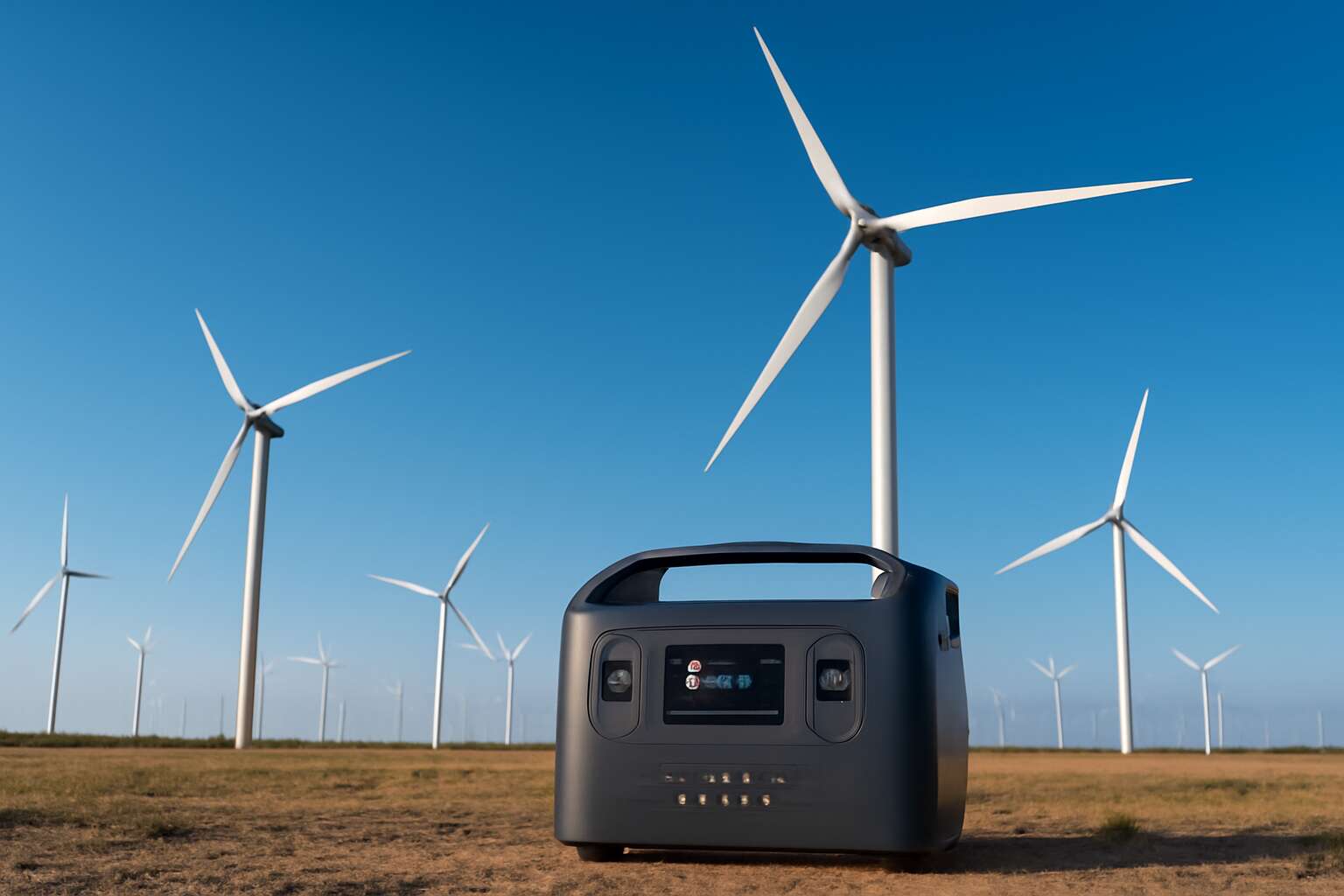
Wind energy integration with EcoFlow systems
Choosing compatible EcoFlow models and wind turbines
A steady puff of wind is a quiet promise—one many South African rural homes are learning to listen to. When you connect wind turbine to ecoflow, that gust becomes a living part of a reliable energy loop: capture, store, and deliver when the grid falters. Lights stay on, pumps keep running, and neighbours share a story of resilience built on simple, smart choices.
Choosing compatible EcoFlow models and wind turbines means balancing capacity with the season’s whims. Look for models that handle peak bursts and offer clean sine wave output; pair them with turbines sized for your average wind speed. Even a modest wind turbine to ecoflow link can transform a farm’s evenings.
System sizing and performance optimization
Across South Africa’s rural valleys, one gust redraws a home’s energy map. In pilot projects, households report a 30% dip in grid reliance when wind powers EcoFlow systems. The wind turbine to ecoflow link becomes a patient, reliable rhythm.
System sizing and performance hinge on listening to the wind’s temperament through the seasons. We seek models that weather peak bursts, deliver a clean sine wave, and share load gracefully.
- Wind profile alignment with average speeds
- Inverter robustness and sine-wave integrity
- Storage capacity that bridges dusk‑to‑dawn loads
From veld to veranda, the energy loop hums with quiet confidence. I’ve watched neighbours notice power returning with no drama—just a steadier, warmer night.
Installation safety and regulatory considerations
In South Africa’s dawn-lit valleys, the wind turbine to ecoflow link quietly redraws a home’s energy map. A 30% dip in grid reliance from wind-powered EcoFlow systems is not a rumor; it’s a measurable rhythm that owners notice when the night settles and power steadies.
Safety and regulatory considerations start at the fence line. Local permits, compliance with SANS 10142-1, and coordination with grid operators ensure installations respect South Africa’s electrical fabric. The goal is a safe, compliant connection that avoids islanding while preserving the system’s clean sine wave.
- Site permissions and setback checks
- Proper cabling, protection, and earthing
- Regulatory notification and standards alignment
- Manufacturer-specified integration parameters
From veld to veranda, the promise remains: a patient, reliable energy loop that makes nights warmer and quieter.
Costs, ROI, and sustainability considerations
The wind turbine to ecoflow journey is more than hardware—it’s a weather report for your wallet. In South Africa’s wind-sculpted valleys, a well-tuned setup can trim electricity bills by up to a third when wind power meets smart storage.
Costs break down into upfront equipment, installation, and routine maintenance. Yet ROI often lands within 5–8 years in robust wind zones, bolstered by time-of-use tariffs and fewer grid purchases. Sustainability isn’t just a checkbox; it compounds—quieter nights, lighter carbon fingerprints, and a resilient home energy loop that ages with you.
Cost and sustainability levers include:
- Upfront capex and installation
- Battery cycle life and replacement costs
- End-of-life recycling and local supply chains




0 Comments